
Engineering Reliability Under Load: How a High Current Terminal Block Supplier Ensures Safety and Performance
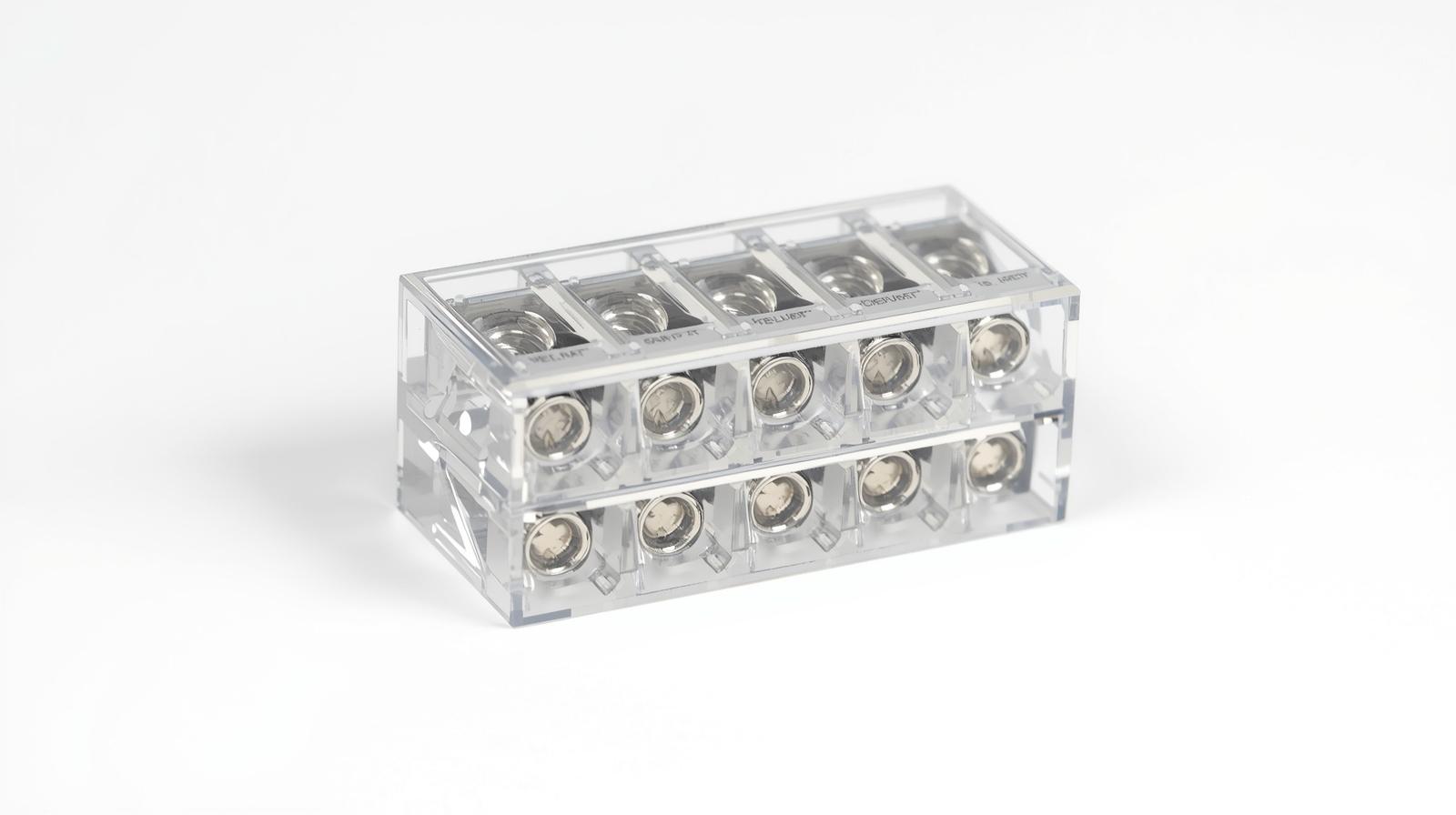
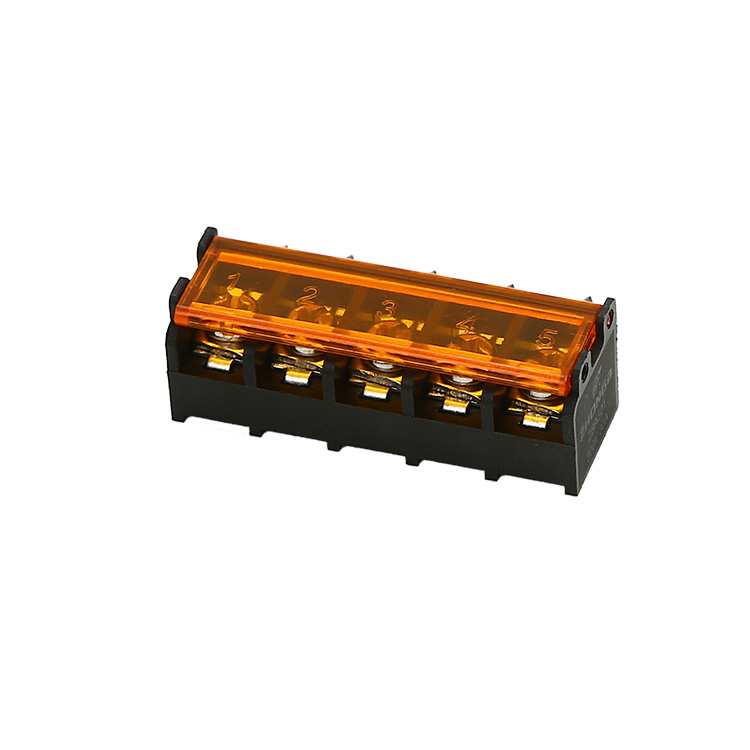
In modern industry, power reliability depends on how safely large currents are transmitted across terminals. A single point of overheating or poor contact can compromise an entire system. This is why partnering with a qualified high current terminal block supplier is critical—designing for stability under extreme load is not just about thicker metal, but about engineering precision, thermal control, and certification discipline.
The Real Challenge of High-Current Connections
Electrical conduction at high amperage magnifies every flaw. A minor rise in contact resistance can lead to exponential heat buildup, damaging insulation or causing thermal runaway.
In power distribution panels, rail systems, or EV charging infrastructure, terminal blocks must:
-
Handle continuous currents above 100 A without excessive temperature rise.
-
Maintain torque and pressure consistency despite thermal expansion.
-
Prevent oxidation and corrosion under sustained high-load environments.
Designing for this scale transforms a passive connector into a critical safety component.
Material Science: The Foundation of Conductivity
The heart of any high-current terminal is its conductive path. The most advanced suppliers use high-purity copper alloys or tin-plated brass to balance conductivity, strength, and corrosion resistance.
Material properties that define performance:
-
Conductivity ≥ 95% IACS (International Annealed Copper Standard) ensures minimal voltage drop.
-
Tin or silver plating reduces contact resistance and prevents oxidation.
-
Heat-resistant polymers with UL94 V-0 flame retardancy maintain insulation integrity up to 125 °C.
-
Nickel-chrome screws maintain torque under repetitive heating cycles.
These details, invisible to the end user, determine whether a terminal remains reliable after 10,000 hours of continuous operation.
Design Engineering: Managing Heat and Mechanical Stress
At high current levels, heat is inevitable—how it is managed defines product quality. Leading suppliers employ multi-dimensional engineering:
-
Optimized Contact Geometry:
Wide-area contact surfaces minimize resistance and improve current flow uniformity. -
Thermal Path Design:
Fin-like metal structures or embedded thermal bridges accelerate heat dissipation. -
Mechanical Reinforcement:
Reinforced clamping mechanisms prevent micro-loosening due to vibration or temperature cycling. -
Material Pairing:
Combining metals with similar thermal expansion coefficients prevents torque drift under load.
Testing these designs under load cycles provides the empirical data needed for long-term reliability assurance.
Compliance Standards That Define Safety
High-current components are governed by strict international standards. A professional supplier aligns design validation with UL, IEC, and CE frameworks:
| Standard | Key Requirement | Engineering Impact |
|---|---|---|
| UL1059 / UL486A-B | Temperature rise ≤30 °C at rated current | Validates heat management and contact pressure |
| IEC 60947-7-1 | Dielectric and mechanical endurance | Ensures durability under industrial vibration |
| RoHS / REACH | Material safety and environmental compliance | Guarantees export readiness |
| ISO9001 / 14001 | Process and environmental quality control | Enables traceable manufacturing consistency |
Compliance transforms reliability from a claim into a certified specification.
Comparing High Current vs. Standard Terminal Blocks
| Parameter | Standard Terminal Block | High Current Terminal Block |
|---|---|---|
| Rated Current | 10–60 A | 100–500 A or higher |
| Contact Resistance | ≤10 mΩ | ≤5 mΩ |
| Operating Temperature | ≤85 °C | Up to 125 °C |
| Screw Torque | Manual | Calibrated torque control |
| Certification | Basic CE | UL1059, IEC 60947-7-1 |
This comparison shows that high-current terminals are not just scaled-up components—they’re redesigned systems built for stability under extreme electrical and thermal stress.
Applications Across High-Power Industries
The rise of electrification and industrial automation has expanded the use of high-current terminals in:
-
Renewable energy systems (PV combiner boxes, inverters)
-
Electric vehicle charging stations
-
Railway and transportation power modules
-
Heavy machinery and motor drives
-
Energy storage systems and UPS units
Each environment introduces vibration, heat, and load variability, pushing terminal blocks to their physical limits—only precision-engineered components can sustain continuous duty safely.
Selecting the Right Supplier: Key Procurement Insights
When sourcing high-current connectors, engineers and buyers should evaluate suppliers based on quantifiable metrics:
-
Material certification (chemical composition and plating reports)
-
Temperature-rise and torque validation per UL1059/IEC60947 tests
-
Batch traceability and serial control for global exports
-
OEM customization options (busbar compatibility, pole spacing, or housing format)
-
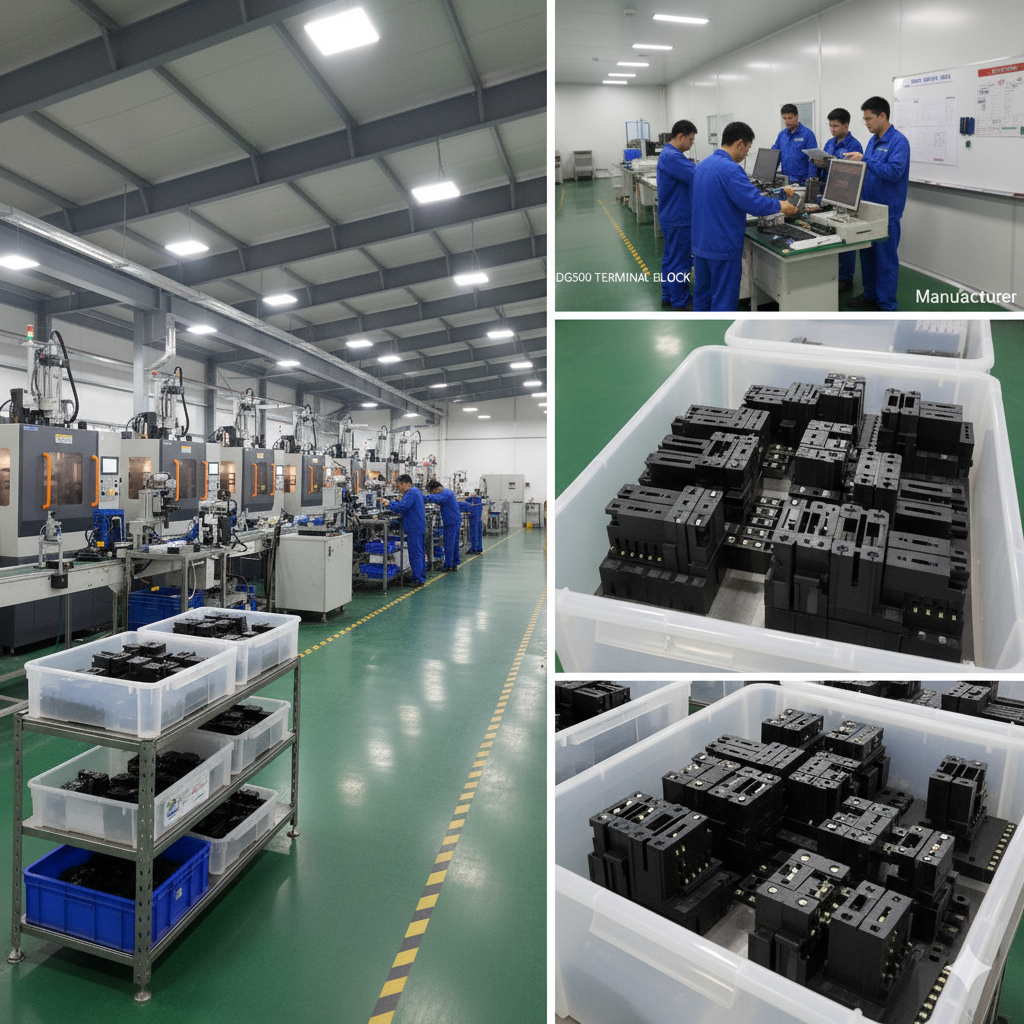
Production automation ensuring uniform contact pressure and minimal variance
These criteria ensure that procurement decisions are grounded in data, not catalog appearances.
Zhongbo’s Precision for High-Load Applications
The work of a high current terminal block supplier extends beyond manufacturing—it is about guaranteeing predictable behavior under extreme conditions.
Zhongbo continues to supply heavy-duty connection systems designed through verified testing, copper alloy optimization, and automated assembly—enabling global power and automation projects to operate with confidence and safety.
For high-load wiring solutions or OEM customization, visit our homepage or contact us.