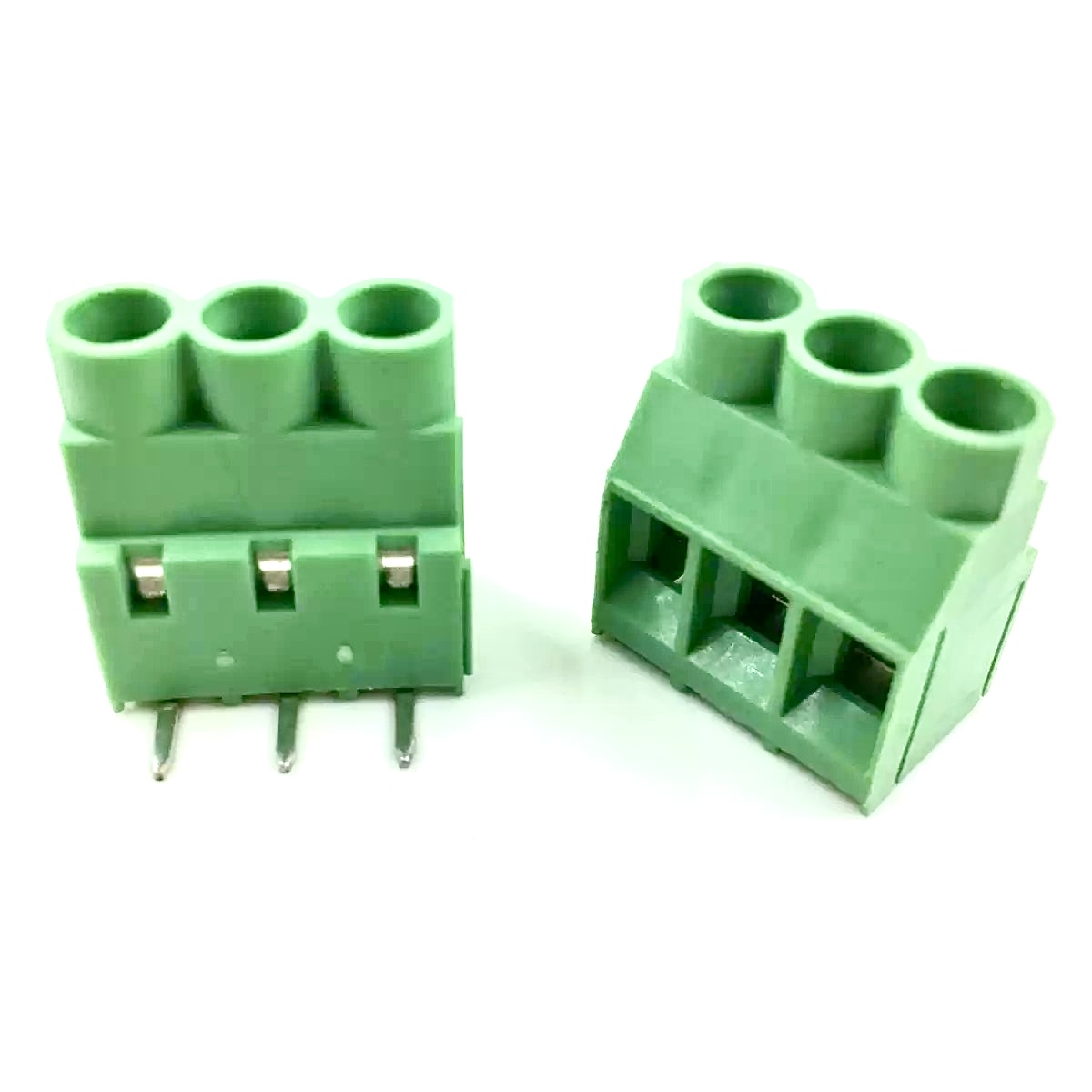

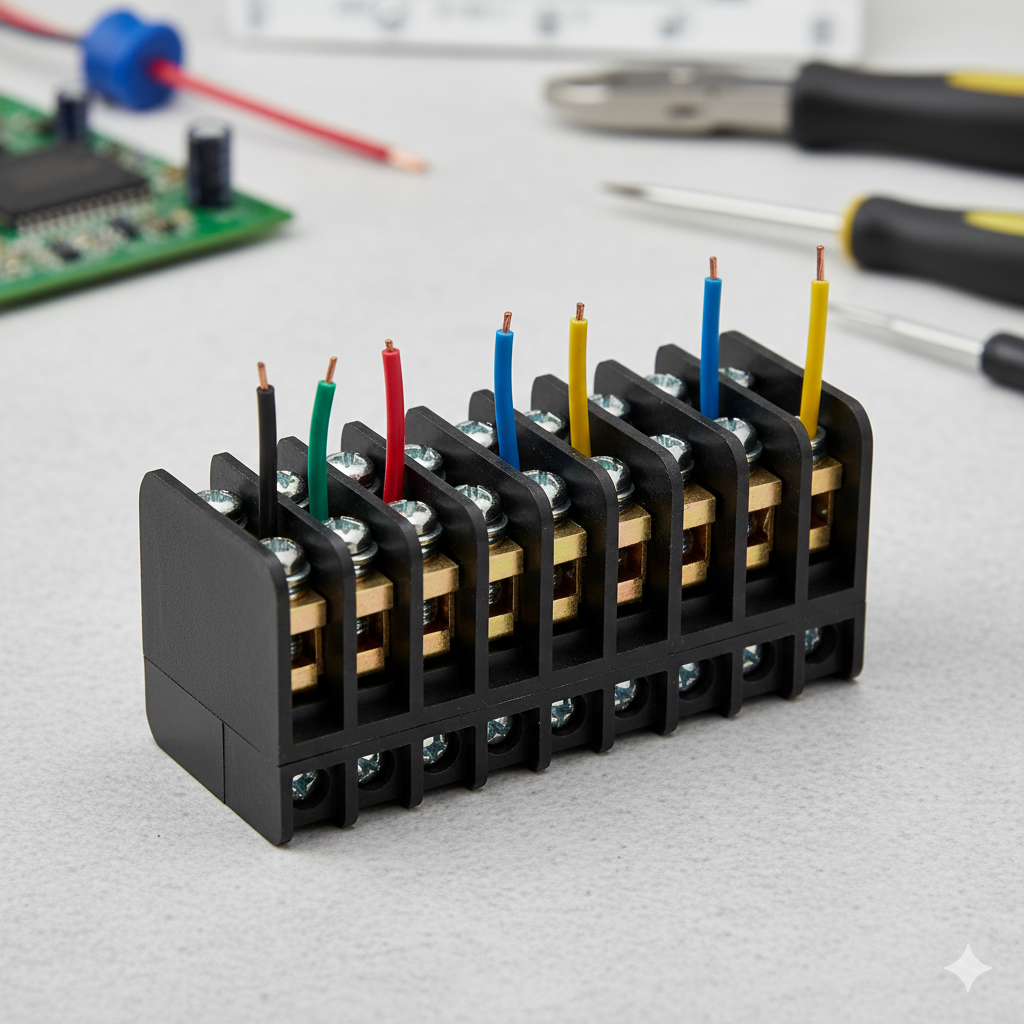
How Modern Barrier Terminal Block Factories Redefine Industrial Power Distribution
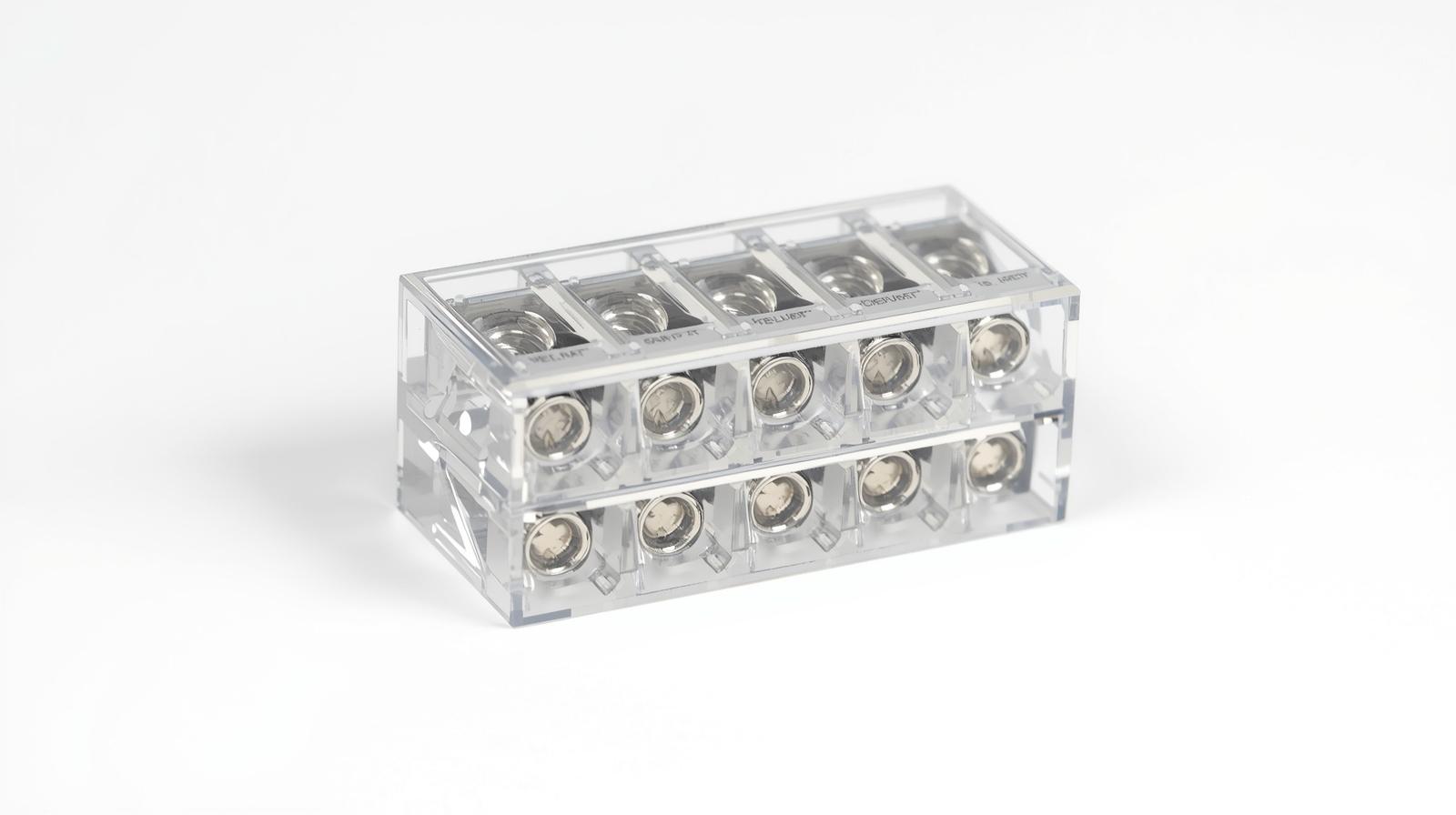
In modern power distribution and control panels, reliability is not optional—it’s engineered. Every terminal connection must withstand voltage, vibration, and thermal stress. Among all connector types, the barrier terminal block remains one of the most trusted due to its ability to isolate current paths, prevent short circuits, and ensure long-term stability.
This article explores how leading barrier terminal block factories design for precision, safety, and compliance—reshaping how industrial power systems achieve reliability at scale.
The Role of Barrier Terminal Blocks in Electrical Architecture
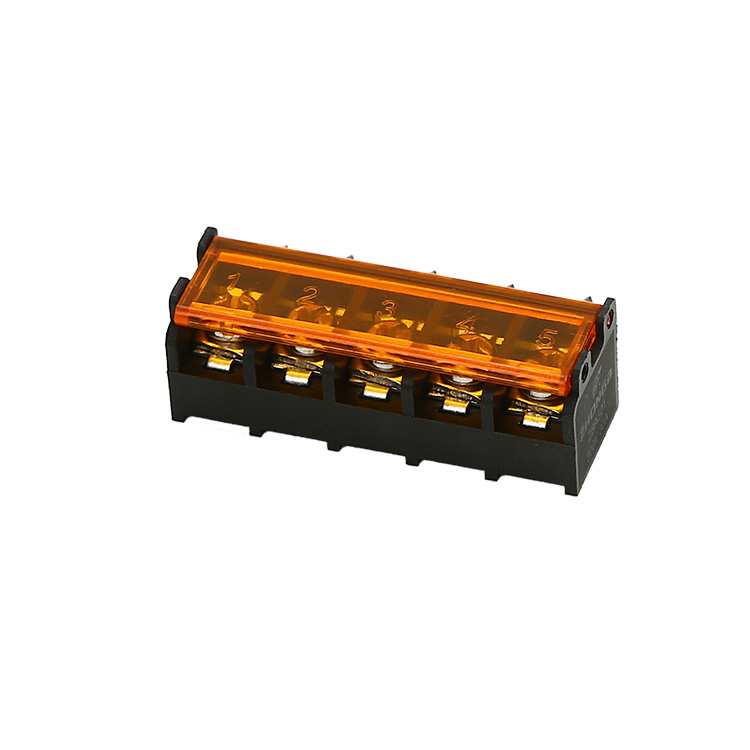
Barrier terminal blocks act as mechanical and electrical sentinels. Their function extends beyond simple current transfer—they manage heat dissipation, mechanical torque, and dielectric spacing under demanding conditions.
In industrial settings such as power control cabinets, HVAC systems, and automation lines, they provide:
-
Insulated separation between circuits to prevent arcing and interference.
-
Mechanical robustness to maintain torque over thousands of tightening cycles.
-
Thermal endurance under operating temperatures of 120°C or higher.
-
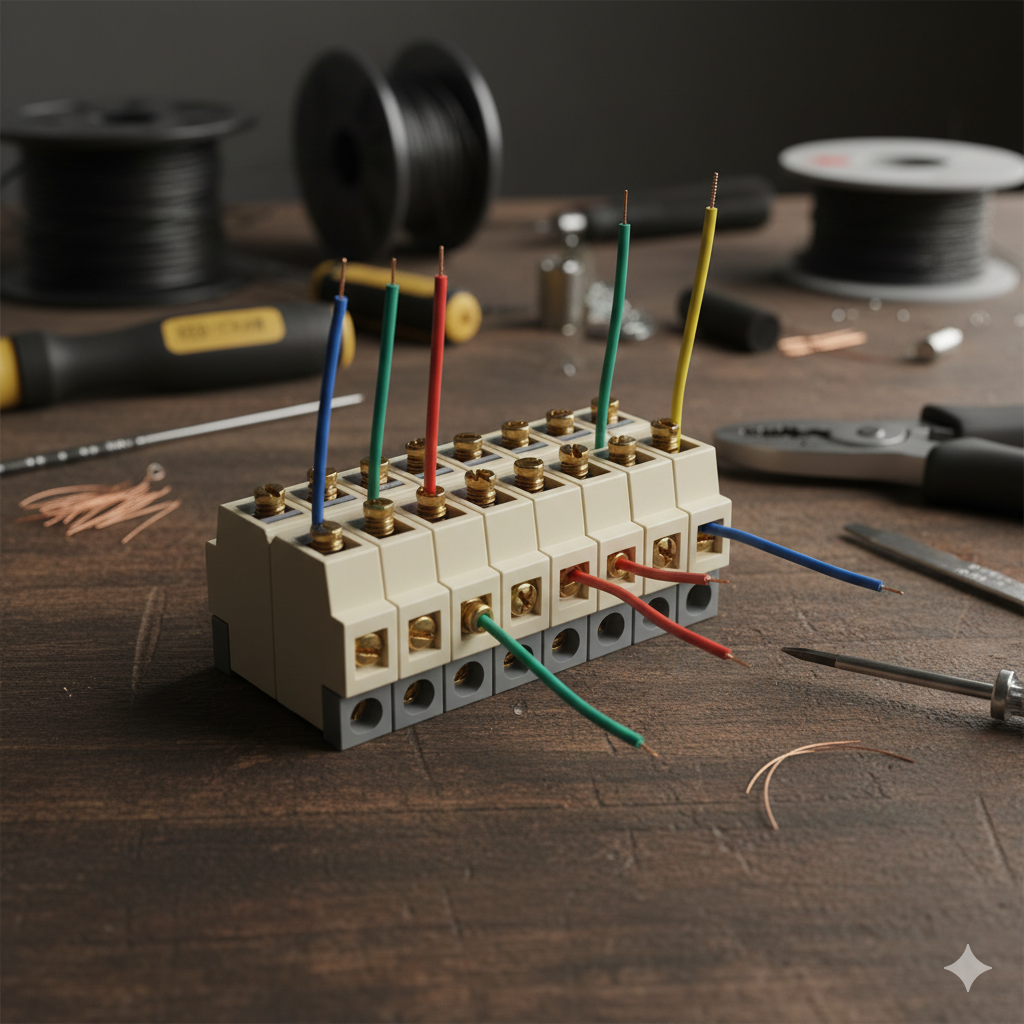
Ease of maintenance, allowing wire inspection without disturbing adjacent connections.
This unique blend of insulation, modularity, and durability defines their enduring relevance in industrial automation.
The Science Behind Insulation and Barrier Structure
A terminal block’s true strength lies in its insulating architecture. The barriers physically separate conductive paths, creating controlled creepage and clearance distances that align with UL1059 and IEC60947-7-1 standards.
Factories engineer these blocks using:
-
High-dielectric polymers (PA66, PBT, phenolic resin) for superior arc resistance.
-
Reinforced fiberglass fillers to maintain shape stability at high torque.
-
Mold-flow optimized tooling to ensure uniform barrier thickness and eliminate air pockets.
These material and structural considerations ensure that even at 600V-rated voltage, the insulation remains uncompromised across thousands of cycles.
Manufacturing Precision: From Molding to Torque Validation
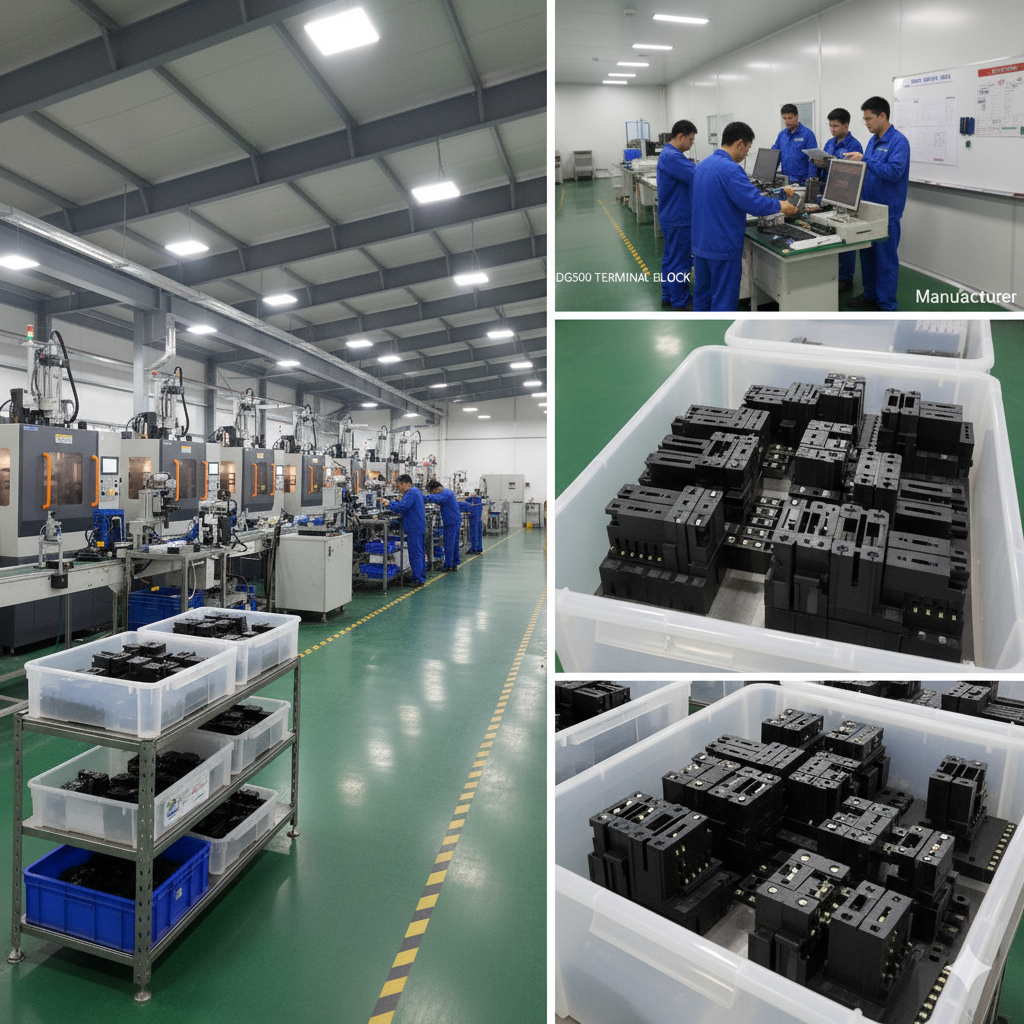
Modern factories integrate CNC machining and automated inspection at every stage:
| Process | Technology | Impact |
|---|---|---|
| Injection molding | High-pressure servo molding (±0.01mm tolerance) | Consistent barrier geometry |
| Contact machining | Multi-axis CNC with anti-oxidation plating | Reduced resistance and corrosion |
| Screw torque control | Robotic tightening & digital torque feedback | Prevents over-stressing of conductors |
| Insulation testing | 3kV dielectric & 0.5mΩ continuity check | Guarantees operational safety |
Each production line is calibrated with traceable test data, enabling 100% quality consistency even in large-volume OEM projects.
International Standards and Quality Compliance
Reliability is verified, not assumed. Certified barrier terminal block factories in China design every component around global safety frameworks:
-
UL1059 – Defines mechanical and dielectric requirements for terminal blocks.
-
IEC60947-7-1 – Regulates connection reliability for low-voltage switchgear.
-
RoHS / REACH – Ensures all polymers and metals are environmentally compliant.
-
CSA C22.2 & CE – Expands usability for North American and European markets.
By integrating these benchmarks into design and testing, manufacturers ensure interoperability and acceptance in multinational automation systems.
Performance Comparison with Other Connector Systems
| Feature | Barrier Terminal Block | Pluggable Type | Spring Clamp |
|---|---|---|---|
| Voltage Rating | Up to 1000V | 300–600V | 600V |
| Connection Type | Screw + barrier isolation | Plug-in header | Spring tension |
| Maintenance | Manual, visual inspection | Quick-connect | Tool-free |
| Vibration Resistance | Excellent | Moderate | High |
| Target Use | Power systems, control panels | Modular PLC | Compact automation |
Barrier systems remain the preferred choice for applications demanding both visibility and long-term mechanical stability, especially in heavy machinery and power control infrastructure.
Applications Across Power and Automation Industries
Barrier terminal blocks are embedded across diverse electrical architectures:
-
Power control cabinets: Protects multi-phase connections from arcing.
-
Industrial automation panels: Provides high-current distribution.
-
Renewable energy systems: Ensures safe DC wiring under thermal cycling.
-
Transportation equipment: Withstands vibration and shock in locomotives and ships.
-
Building automation and HVAC: Enables easy servicing and modular wiring.
Each of these sectors depends on the same underlying principle—secure, inspectable, and vibration-resistant terminal design.
Selection Recommendations by Application Environment
Choosing the right barrier terminal block requires aligning electrical performance, environmental durability, and installation method with the target application.
Different operating conditions demand different design priorities—below is a breakdown of the most common industrial use cases and corresponding engineering recommendations:
| Application Scenario | Key Requirements | Recommended Design Features |
|---|---|---|
| Power Distribution Cabinets | High current, thermal load | Thick copper contacts, wide barrier spacing, PA66 V-0 housing |
| Automation Control Panels | Frequent rewiring, compact layout | Modular housing with clear marking and captive screws |
| Marine and Transportation Systems | Vibration, humidity, corrosion | Stainless screws, anti-vibration washers, nickel-plated contacts |
| Renewable Energy Inverters | DC voltage endurance, heat stability | Phenolic resin housing, UL1059 compliance, reinforced insulation |
| HVAC & Building Automation | Ease of maintenance, multiple circuits | Multi-pole design with visual inspection slots |
| OEM Electrical Equipment | Brand customization, serial production | OEM/ODM service, color-coded housings, custom pole count |
Beyond electrical ratings, engineers should also evaluate:
-
Creep and clearance distances in accordance with IEC60947-7-1 for voltage category.
-
Temperature rise data for continuous current applications.
-
Screw torque retention for long-term mechanical stability.
-
Material traceability and documentation to ensure consistent dielectric performance.
A qualified supplier provides not only components but engineering consultation, ensuring that every barrier terminal block matches the system’s safety margin, certification target, and cost structure.
FAQs on Barrier Terminal Block Engineering
Q1: What current capacity can barrier terminal blocks support?
A: Typically 10A to 150A depending on cross-section and contact material.
Q2: Can these be used in high-vibration environments?
A: Yes—when paired with serrated lock washers and proper torque calibration, they maintain integrity even under mechanical stress.
Q3: What distinguishes UL1059-certified products?
A: UL1059 verifies flammability (V-0 rating), dielectric spacing, and mechanical torque endurance.
Q4: Can barrier terminal blocks be customized for PCB use?
A: Yes, many manufacturers provide hybrid barrier-PCB configurations for automation boards.
Engineering Takeaways and Future Outlook
Barrier terminal blocks are a mature yet continually evolving technology. Their precision-molded insulation and standardized geometry remain the foundation of industrial electrical safety. However, the most competitive manufacturers are pushing beyond traditional parameters—integrating automated torque testing, modular spacing adjustment, and eco-compliant material substitution to meet next-generation control panel requirements.
Zhongbo represents this shift toward precision-driven reliability. By combining UL-certified materials, automated production lines, and customizable barrier designs, the company enables global OEMs to build safer, more efficient, and internationally compliant electrical systems.
To discuss specific current ratings, insulation grades, or custom configurations for your control or power distribution projects, visit our homepage or contact us for direct technical consultation.